How GPS Tracking Technology Is Helps In Vehicle Security
A car disappears faster than most people expect. In many theft cases, the vehicle is already miles away before the owner even realizes something is wrong.
Traditional protection tools such as locks or alarms still play a role. But experienced thieves often bypass them in minutes. Because of this, many drivers now rely on technology that allows them to monitor their vehicle even when they are not nearby.
GPS tracking technology has changed how vehicle security works. Instead of reacting after a car is stolen, owners can monitor movement, receive alerts, and track the vehicle in real time.
Drivers, families, and businesses now use GPS tracking for everyday security. Understanding how the technology works makes it easier to choose the right protection and respond quickly if something goes wrong.
Why Vehicle Theft Still a Major Security Problem?
Vehicle theft continues to affect drivers across many countries. Modern cars contain valuable electronics, and organized theft groups know how to move stolen vehicles quickly.
A thief often needs only a few minutes. In some cases, vehicles disappear from driveways or parking lots while the owner is inside a nearby building.
Older security tools do help, but they mainly focus on blocking access. Door locks, steering locks, and alarm systems try to prevent entry. Once the vehicle is taken, these tools offer very little information about where it went.
Several common tactics make theft easier today:
- Electronic key relay attacks allow thieves to unlock and start vehicles without the original key nearby.
- Flatbed towing allows a car to be removed quickly without triggering many alarms.
- Key cloning devices can duplicate signals from modern smart keys.
- Stolen vehicles are often moved to new locations within minutes to avoid detection.
Many security systems alert the owner only after the vehicle has already been taken.
Because of that delay, recovering the car becomes much harder.
GPS tracking technology helps close this gap by allowing owners to see vehicle movement immediately.
What GPS Tracking Technology Actually Does?
GPS tracking technology allows a vehicle’s location to be monitored through satellites and a connected mobile network. When you install a vehicle tracker, it receives signals from multiple satellites orbiting the Earth. These signals allow the device to calculate its exact position.
Once the location is determined, the tracker sends that information to a mobile application or online dashboard.
The owner can then see the vehicle’s location on a map using a phone, tablet, or computer.
Modern GPS tracking systems often include additional tools that make vehicle monitoring easier:
- Real-time location updates show where the vehicle is at any moment.
- Movement alerts notify the owner when the vehicle begins moving unexpectedly.
- Geofencing allows users to create virtual boundaries and receive alerts if the vehicle leaves a defined area.
- Trip history logs record routes and stops so past movement can be reviewed.
Many drivers find that these features provide much clearer visibility than traditional security tools.
Instead of wondering where the vehicle went, the owner can see the exact location and movement path.
Key Ways GPS Tracking Improves Vehicle Security
GPS tracking systems like BrickHouse Security provide several types of protection that traditional security tools usually cannot offer. Instead of only trying to stop theft, these systems help owners see where their vehicle is, receive alerts when something unusual happens, and track the vehicle if it gets stolen.
This combination of visibility, alerts, and recovery support makes GPS tracking a stronger security layer for modern vehicles.
1. Real-Time Location Monitoring
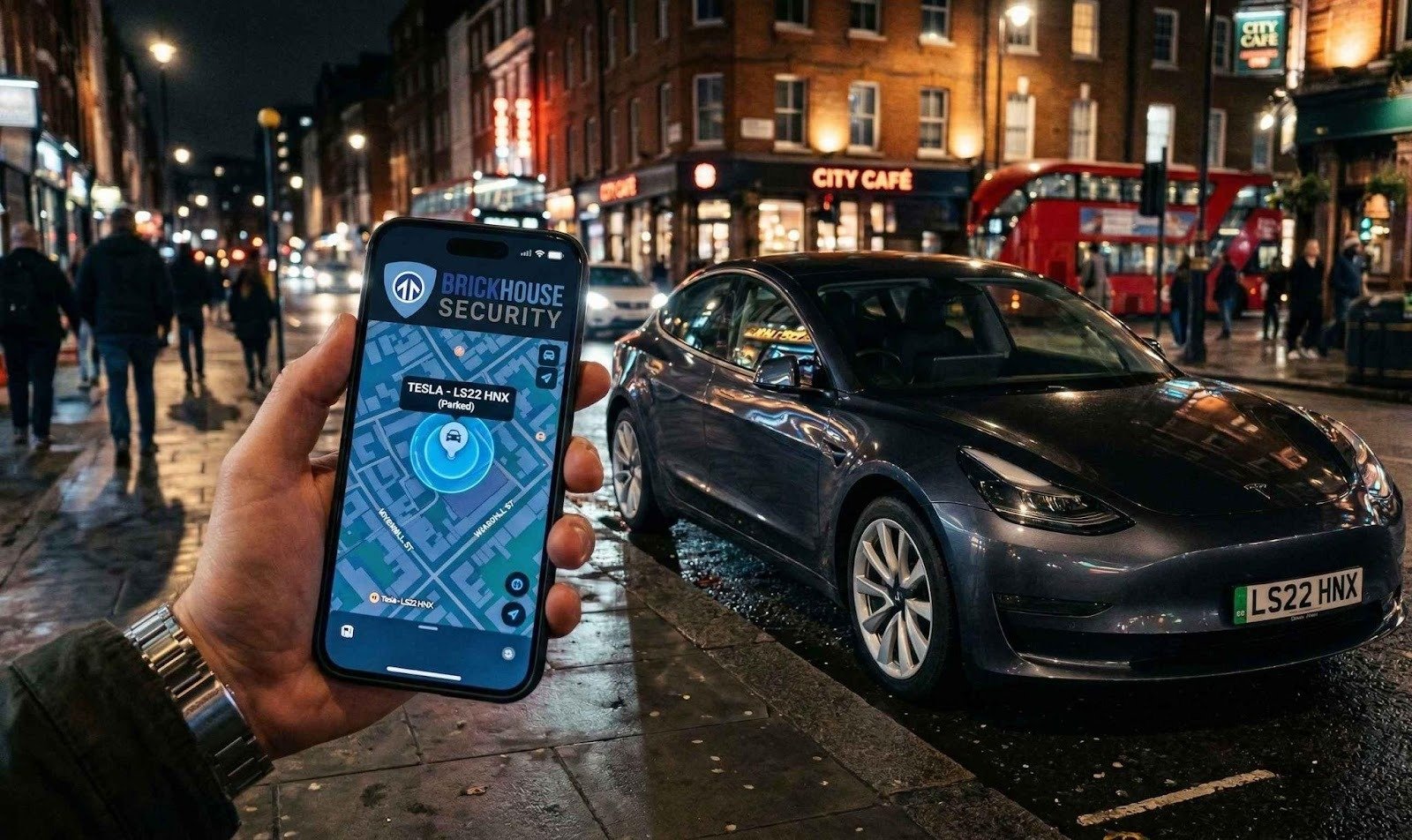
Real-time location monitoring allows drivers to check the exact position of their vehicle at any time. When you open the tracking app, the vehicle’s location appears on a map within seconds. This visibility helps owners confirm where the vehicle is parked, monitor shared cars, or quickly check movement if something unusual happens.
If a vehicle starts moving unexpectedly, the owner can notice it almost immediately, and this quick awareness can often make the difference between early recovery and losing the vehicle completely.
2. Instant Alerts When Something Unusual Happens
Many GPS trackers send notifications when specific events occur. These alerts help owners respond quickly to unusual activity.
Examples include:
- Movement alerts when the vehicle begins driving without authorization.
- Geofence alerts when a vehicle leaves a parking area or property boundary.
- Ignition alerts when the engine starts unexpectedly.
- Speed alerts when the vehicle exceeds a set driving limit.
Each alert gives the owner immediate information about what is happening.
Instead of discovering a theft hours later, the owner receives a warning as soon as the vehicle moves.
This early warning gives police a much better chance of locating the vehicle quickly.
3. Faster Recovery of Stolen Vehicles
GPS tracking greatly improves the chances of recovering a stolen vehicle. If your car is stolen, the tracker can provide location data that helps law enforcements to find the vehicle.
Police departments often use this tracking information to identify the vehicle’s exact location or the route it is taking.
Many stolen vehicles are recovered within hours because the tracker continues sending location updates.
Without GPS tracking, finding a stolen car often depends on witness reports or accidental discovery. With tracking technology, recovery efforts become much more accurate and efficient.
Why GPS Tracking Is Becoming Essential for Modern Drivers?
Cars have become more advanced and more valuable over the years. Many vehicles now contain navigation systems, entertainment displays, and connected technology.
Modern thieves often target vehicles that contain advanced electronics or valuable components. These features increase both convenience and risk because of this, drivers now look for security systems that provide continuous visibility rather than simple alarms.
GPS tracking systems offer several advantages modern drivers expect:
- Real-time vehicle monitoring through a mobile app.
- Notifications when unexpected movement occurs.
- Trip history records that show where the vehicle traveled.
- Location sharing for family members or trusted contacts.
Many drivers install GPS trackers simply to stay informed about their vehicle’s location during daily activities.
A smartphone can confirm that the vehicle is parked safely where it should be. For people who travel frequently or park in busy areas, this added visibility can be extremely useful.
How Families Use GPS Tracking for Safety and Awareness
Families often use GPS tracking to manage shared vehicles and improve safety. One common example involves teen drivers. Parents often want to confirm that their child has reached school, work, or practice safely, and GPS tracking allows them to check the vehicle’s location quickly without needing to make repeated phone calls.
Shared family vehicles also benefit from tracking because it becomes easier to know who is using the car and where it is parked. During long trips, families can also monitor the vehicle’s movement and confirm progress along the route, which helps them plan travel more safely and stay informed throughout the journey.
Several simple uses make tracking helpful for households:
- Parents can confirm that teen drivers arrive at their destination safely.
- Family members can locate shared vehicles in large parking areas.
- Travel routes can be reviewed after long drives.
Small features like these often make daily transportation easier to manage.
Business and Fleet Security Benefits
Businesses often depend on vehicles for deliveries, services, or transportation.
A single stolen vehicle can disrupt operations and cause expensive delays.
GPS tracking helps companies monitor vehicles and protect valuable assets.
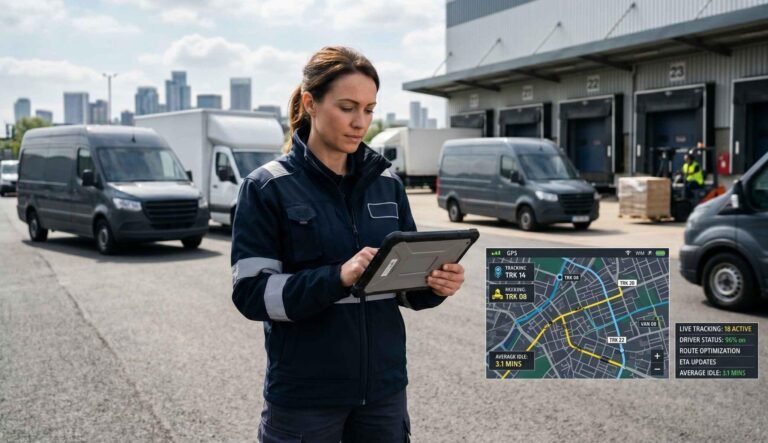
Fleet managers can view vehicle locations through a central dashboard and check which vehicles are active during the workday.
Several practical benefits come from this type of visibility:
- Stolen vehicles can be located more quickly.
- Route monitoring helps confirm that drivers follow planned paths.
- Vehicle usage data can identify unusual activity.
- Companies can respond faster if a vehicle moves outside an approved service area.
Service companies, delivery businesses, and contractors frequently rely on these tools to manage daily operations.
Better visibility often leads to improved efficiency and stronger security.
Features to Look for in a Reliable GPS Vehicle Tracker
Not every GPS tracker provides the same level of performance. Some devices focus on simple location tracking, while others include advanced monitoring tools.
Drivers usually benefit from choosing trackers that provide reliable updates and clear alerts.
Important features to consider include:
- Real-time location tracking that updates frequently.
- A mobile app that allows easy access to location data.
- Geofence alerts that notify users when vehicles leave defined areas.
- Long battery life or direct connection to the vehicle’s power system.
- Secure data transmission to protect location information.
Accuracy and reliability matter more than complex features.
A tracker that consistently delivers location updates often provides the most dependable protection.
Future of Vehicle Security and Smart Tracking Technology
Vehicle security technology continues to improve as connected systems become more common.
Many newer vehicles already include built-in digital features that support remote monitoring.
GPS tracking is likely to become even more advanced in the coming years.
Several developments are already beginning to appear in newer tracking systems:
- Improved location accuracy using multiple satellite systems.
- Artificial intelligence tools that detect unusual driving patterns.
- Integration with smart vehicle platforms and connected dashboards.
- Faster data transmission through modern mobile networks.
These improvements will help vehicle owners monitor security risks more effectively.
As vehicles become more connected, tracking technology will likely remain a central part of modern vehicle protection systems.
Conclusion
Vehicle security has changed a lot over the past few years. Locks and alarms still help, but they usually alert owners only after the vehicle is already gone. GPS tracking adds another layer of protection by allowing owners to see where their vehicle is and receive alerts when something unusual happens.
With real-time location updates, drivers can react faster if theft occurs and help authorities recover the vehicle more quickly. Families gain better awareness when sharing vehicles, and businesses can protect valuable fleet assets. As vehicle technology continues to advance, GPS tracking will remain an important tool for keeping vehicles safer.
FAQs
Q1. How does GPS tracking help prevent vehicle theft?
GPS tracking helps prevent vehicle theft by allowing owners to monitor their vehicle’s location in real time. If the vehicle starts moving without permission, the system can send an instant alert. This early warning allows the owner to act quickly and report the situation before the vehicle travels far.
Q2. Can a GPS tracker help recover a stolen car?
Yes, a GPS tracker can significantly improve the chances of recovering a stolen car. The device continuously sends location updates, which allows owners and law enforcement to track the vehicle’s movement and locate it more quickly. Many stolen vehicles are recovered faster when GPS tracking data is available.
Q3. Do GPS vehicle trackers work without the internet?
Most GPS trackers use satellite signals to determine the vehicle’s location, but they rely on cellular networks to send that information to the user’s phone or app. If the device cannot access a mobile network temporarily, it may store location data and upload it once the connection returns.