

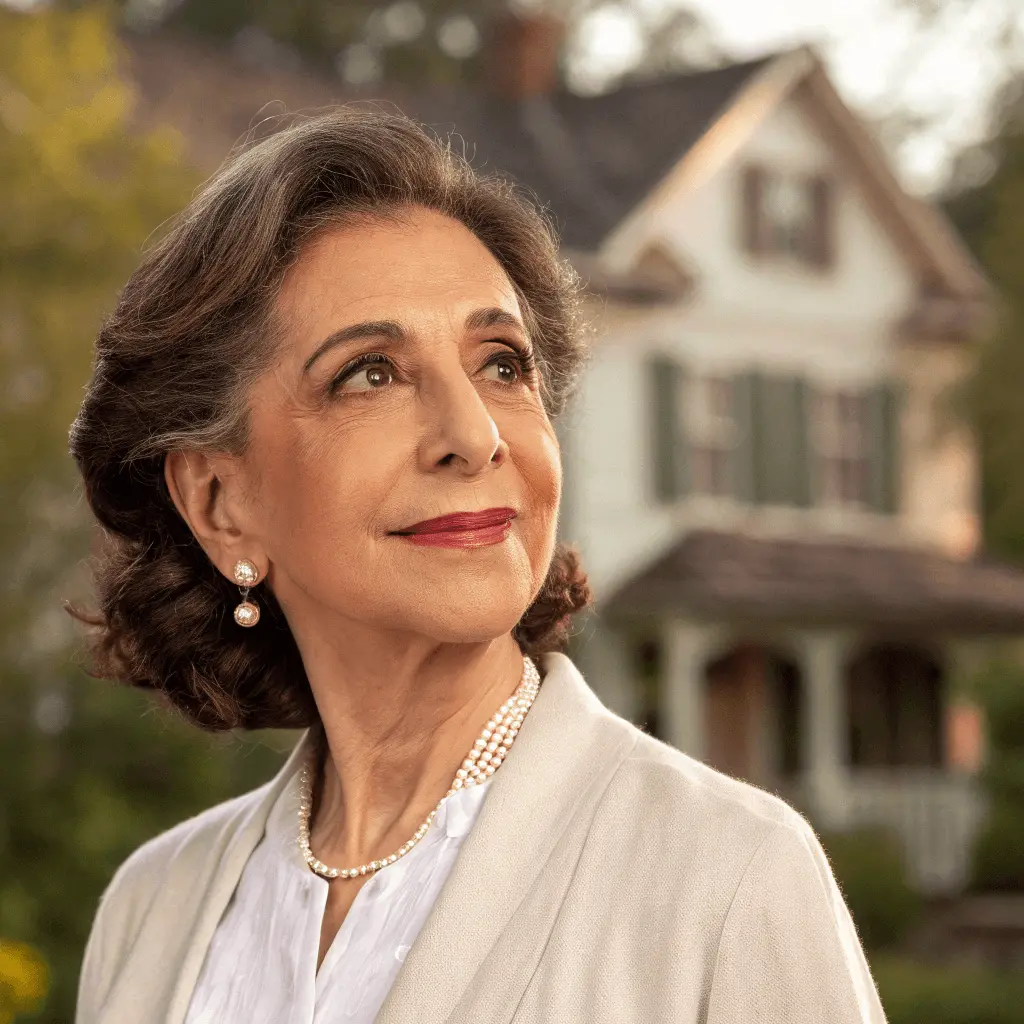
Arlene Litman is a name most often encountered in connection with Hollywood through her daughter, actress Lisa Bonet, yet her own life story stands as a meaningful narrative of resilience, education, creativity, and moral courage. Long before fame entered her family’s orbit, Arlene Litman built a life grounded in teaching, music, and thoughtful parenting. She was not a celebrity by profession, but her influence shaped generations both inside and outside her family.
Understanding Arlene Litman means understanding the importance of people whose impact is subtle yet powerful. She represents educators, mothers, and cultural bridges whose contributions rarely appear in headlines but echo across time. Her journey reflects how integrity, artistic sensitivity, and commitment to learning can quietly mold lives that later influence the world.
This article explores the full story of Arlene Litman, from her early roots in Pittsburgh to her enduring legacy through her daughter Lisa Bonet and granddaughter Zoë Kravitz.
Early Life of Arlene Litman in Pittsburgh
Family Roots and Cultural Environment
Arlene Joyce Litman was born on February 11, 1940, in Pittsburgh, Pennsylvania. She grew up in a Jewish American household with Ashkenazi heritage rooted in Eastern Europe, particularly Polish and Russian ancestry. Her parents, Eli Litman and Sylvia Litman, belonged to a generation that valued education, structure, and cultural continuity.
Pittsburgh during the mid twentieth century was a city shaped by immigrants, industry, and tightly connected neighborhoods. Jewish families often lived near synagogues and community centers that served as social, educational, and spiritual anchors. Within this environment, Arlene Litman absorbed lessons about responsibility, perseverance, and the importance of learning.
Her upbringing emphasized moral education and intellectual curiosity rather than material wealth. These early influences became the foundation for her later work as a teacher and her approach to raising a child.
Childhood Influences and Early Interests
Growing up in post Depression America meant a childhood defined by simplicity rather than excess. Arlene Litman’s early years were shaped by community life, school discipline, and cultural rituals. Music emerged as an important part of her world at a young age, whether through school programs, religious gatherings, or local cultural events.
Her interest in music was not merely recreational. It became a language through which she understood emotion, expression, and connection. This early bond with music would later define her professional path and her parenting style.
Education as a Calling, Not Just a Career
Choosing the Path of Teaching
For Arlene Litman, becoming a teacher was not a fallback option but a deliberate calling. During the mid twentieth century, teaching was one of the most respected professions available to women, particularly those who valued intellectual engagement and community service.
Arlene Litman embraced education as a way to empower others. She believed that learning had the potential to change lives, especially for children who needed encouragement and stability. Her choice to work in schools reflected her belief that education was both a responsibility and a gift.
Life as a Music Instructor
Music played a central role in Arlene Litman’s professional life. As a music teacher, she approached instruction with emotional sensitivity rather than rigid performance standards. She believed that music was not only about technical skill but about feeling, discipline, and self awareness.
Her teaching style emphasized patience and individualized attention. Students were encouraged to connect emotionally with what they played and sang. This approach helped foster confidence and creativity rather than fear of mistakes.
Although her career remained largely within local school systems, the impact of her work was deeply felt. Arlene Litman’s classroom was a space where children felt seen, supported, and encouraged to explore their voices.
Meeting Allen Bonet and a Life Changing Union
Love Rooted in Music and Art
In the 1960s, Arlene Litman met Allen Bonet, an African American opera singer from Texas. Their connection was built on shared artistic interests, particularly music and performance. Both understood the discipline and emotional depth required by artistic expression.
Their relationship represented a meeting of different cultural worlds. Arlene Litman came from a Jewish background in Pennsylvania, while Allen Bonet was shaped by the African American musical tradition of the South. Music served as the bridge that connected their lives.
Interracial Marriage in a Divided Era
The couple married in the late 1960s, a period of intense social change in the United States. Interracial marriage had only recently become legally protected nationwide, and social acceptance lagged far behind legal progress.
Arlene Litman’s decision to marry across racial lines required courage. Such unions often faced resistance from families, communities, and institutions. Despite these challenges, she chose personal conviction over social conformity.
Their marriage was not simply a private matter. It reflected broader changes happening in American society and symbolized a quiet defiance of racial boundaries.
Motherhood and Raising Lisa Bonet
Becoming a Mother During a Time of Change
On November 16, 1967, Arlene Litman gave birth to her daughter, Lisa Michelle Bonet. Shortly after, her marriage ended, and she assumed the role of a single mother. This transition marked one of the most defining periods of her life.
Single motherhood in the late 1960s and 1970s carried social stigma, especially for women raising children of mixed racial heritage. Despite these pressures, Arlene Litman focused on building a stable and nurturing home.
Life in Los Angeles and the San Fernando Valley
Arlene Litman and her daughter eventually settled in Reseda, located in the San Fernando Valley of Los Angeles. The area was diverse, modest, and community oriented. Their life there was far from glamorous, but it provided consistency and safety.
Balancing full time teaching with parenting responsibilities required discipline and sacrifice. Arlene Litman approached motherhood with the same dedication she brought to her classroom. Her home was likely filled with books, music, and thoughtful conversation.
Parenting Philosophy and Emotional Guidance
Arlene Litman believed that children should be guided rather than controlled. She encouraged independence, self expression, and emotional honesty. Lisa Bonet grew up in an environment where creativity was nurtured without pressure.
Rather than pushing her daughter toward fame, Arlene Litman emphasized authenticity and self knowledge. This parenting style allowed Lisa to develop confidence and individuality, qualities that later defined her public persona.
Navigating Identity and Cultural Duality
Raising a Child of Mixed Heritage
Lisa Bonet grew up embracing both African American and Jewish identities. This dual heritage was not widely represented in mainstream culture at the time, which sometimes led to confusion or exclusion.
Arlene Litman played a crucial role in helping her daughter navigate this complexity. She taught Lisa to honor all aspects of her identity rather than choosing one over the other. Her steady support provided emotional grounding in a world that often preferred simple labels.
Jewish Values and Ethical Foundations
Although Arlene Litman was raised Jewish and later identified as atheist according to some accounts, Jewish ethical principles continued to shape her worldview. Values such as education, justice, remembrance, and family responsibility remained central to her life.
These values influenced how she raised her daughter and approached her work. They also became part of the cultural foundation passed down to later generations.
Influence on Lisa Bonet’s Career and Public Image
Quiet Support Behind the Spotlight
When Lisa Bonet rose to fame in the 1980s through television and film, Arlene Litman remained private. She did not seek media attention or public recognition. Instead, she continued to offer guidance and emotional support from behind the scenes.
Lisa Bonet’s distinctive presence, introspective nature, and resistance to conformity reflect the values instilled by her mother. Arlene Litman raised her daughter to prioritize truth over approval and depth over popularity.
A Foundation for Artistic Authenticity
Lisa Bonet’s artistic choices often challenged conventional expectations. Her willingness to embrace individuality can be traced directly to her upbringing. Arlene Litman provided a foundation where curiosity, introspection, and creative risk were encouraged.
Later Years and Health Challenges
Remaining a Teacher and a Mother
In her later years, Arlene Litman continued working in education and remained closely connected to her family. As her daughter established a family of her own, Arlene Litman became a grandmother, welcoming Zoë Kravitz in 1988.
She maintained her role as a guiding presence, offering wisdom shaped by decades of teaching and parenting.
Illness and Passing
Arlene Litman passed away on March 3, 1998, at the age of 58. Her death followed a period of illness, widely believed to have been cancer, though details remain private out of respect for her family.
Her passing marked the end of a life lived with quiet purpose. Though not publicly mourned, her loss was deeply felt by those who knew her best.
Legacy Through Future Generations
Influence on Zoë Kravitz
Arlene Litman’s legacy continues through her granddaughter Zoë Kravitz, who has spoken openly about her Jewish heritage and family history. Zoë’s artistic confidence and authenticity reflect values passed down through generations.
A notable tribute to Arlene Litman came when Zoë honored her with a minimalist beauty product inspired by her grandmother’s natural elegance. This gesture symbolized how personal legacy can find expression in modern culture.
A Family Tree of Creativity
The creative lineage shaped by Arlene Litman includes:
Lisa Bonet, actress known for introspective and unconventional roles
Lenny Kravitz, musician who became part of the family through marriage
Zoë Kravitz, actress and musician celebrated for authenticity
Each carries elements of Arlene Litman’s values in their work and public presence.
The Broader Meaning of Arlene Litman’s Life
Education as Lasting Power
Arlene Litman’s story highlights how education creates ripple effects far beyond classrooms. Her belief in learning as empowerment shaped not only students but future generations of artists.
Quiet Strength Over Public Recognition
She exemplified resilience without spectacle. Her strength was expressed through daily choices, consistency, and care rather than public acclaim.
Love Beyond Boundaries
Her interracial marriage, dedication to cultural openness, and respect for individuality demonstrate a life guided by love rather than limitation.
Frequently Asked Questions (FAQs)
Who was Arlene Litman?
Arlene Litman was an American teacher and music instructor best known as the mother of actress Lisa Bonet.
Where was Arlene Litman born?
She was born in Pittsburgh, Pennsylvania, in 1940.
What was Arlene Litman’s profession?
She worked as a schoolteacher and music instructor.
Was Arlene Litman Jewish?
Yes, she was raised in a Jewish household with Ashkenazi heritage.
Who was Arlene Litman married to?
She was married to opera singer Allen Bonet.
Did Arlene Litman raise Lisa Bonet alone?
Yes, she raised her daughter as a single mother after her marriage ended.
Where did Arlene Litman live later in life?
She lived in Los Angeles, California.
When did Arlene Litman pass away?
She passed away on March 3, 1998.
How did Arlene Litman influence Lisa Bonet?
She influenced her through supportive parenting, emphasis on authenticity, and encouragement of creativity.
What is Arlene Litman’s legacy?
Her legacy lives on through education, family values, and the creative achievements of her descendants.
Conclusion
Arlene Litman lived a life defined not by fame but by purpose. She was an educator who believed in the power of learning, a mother who nurtured creativity and independence, and a woman who chose love and integrity over social approval. Her influence did not depend on public recognition, yet it continues to resonate through generations of artists and thinkers.
The story of Arlene Litman reminds us that some of the most powerful legacies are built quietly, in classrooms, homes, and everyday acts of care. Her life stands as a testament to the enduring impact of education, compassion, and authenticity.
