
From Carnival Themes to Digital Screens: How Game Design Captures Player Attention
Game design has always borrowed from spectacle. Early machines used bold symbols, polished metal, and recognizable icons to stand out in busy rooms. That same design logic still shapes digital gaming in 2026, even though the screen, controls, and visual language now look very different.
The shift from mechanical cabinets to digital displays did not erase the old playbook. It refined it through screen layout, motion, and tighter interface control. This design system has evolved over time and continues to work effectively on modern screens.
Casino Floors Set the Blueprint for Attention Design
These days, there are many carnival-themed casino games players can enjoy. That makes the category more crowded, so a title often needs a distinct setting or concept to stand out. A strong theme can help give a game a clearer identity from the start.
New Orleans-inspired visuals can do exactly that because the setting already feels lively and recognizable. In a space filled with festive titles, many players may check out and play bourbon street bash when looking for a game that leans into that kind of atmosphere. The keyword fits more naturally here, as it ties into the broader point about why themed games tend to catch attention in the first place.
That kind of appeal usually goes beyond the name alone. A memorable setting can make the overall presentation feel more complete and easier to notice. In that sense, games with a strong carnival identity tend to leave a clearer impression than titles with a more generic look.
The Fairground Logic Never Really Left
The roots of this design style go back to the late nineteenth century. California’s Office of Historic Preservation notes that Charles Fey developed the first coin-operated three-reel slot machine in San Francisco in 1895. Moreover, the SFO Museum says the Liberty Bell set the standard for later machines across the twentieth century. From the start, the machine had to earn attention before anything else.
That early design was not plain hardware. The SFO Museum describes elaborate bodies in wood, cast iron, and painted finishes, noting that recognizable symbols helped make machines instantly legible from a distance. In other words, visibility was part of the product long before digital screens arrived.
Digital Screens Gave Designers More Surface Area
Once games moved from reels to screens, the design field got much larger. Developers were no longer limited to a fixed set of mechanical symbols, so backgrounds, layered effects, and changing scenes could all work together inside one frame. That made attention design more flexible and much more precise.
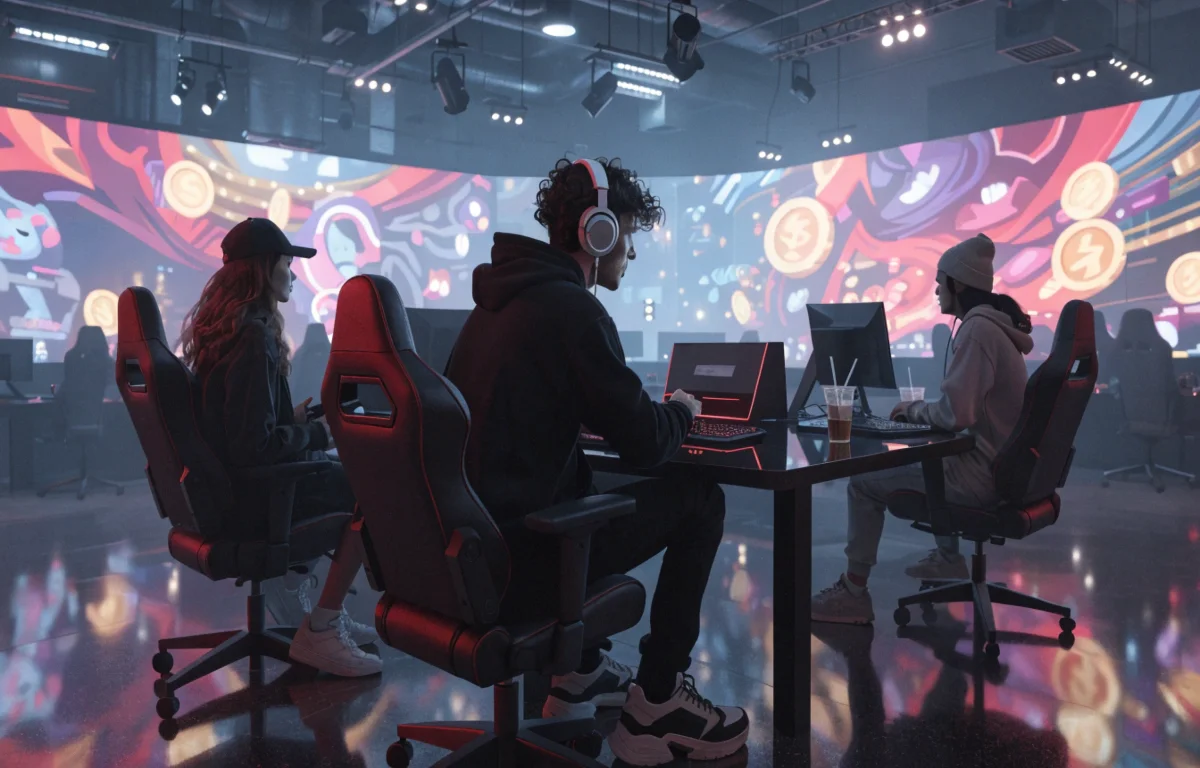
Trade coverage from G2E 2025 shows where that shift stands now. New cabinets featured curved portrait monitors, stacked displays, floating button panels, and dynamic edge lighting. Also, several launches leaned into large-format layouts that made the screen feel more like a stage than a simple control panel.
Motion Now Directs the Eye
Modern game design does not rely solely on static art. Apple’s Human Interface Guidelines say motion should convey status, provide feedback, and give instruction, which is exactly why transitions, pulses, and small interface shifts matter so much in game screens. Motion is not decoration when it tells the player where to look next.
This helps explain why current cabinets often pair large screens with synchronized lighting and animated interface layers. Industry reporting from late 2025 highlighted curved displays, color-shifting edges, and stacked screens as headline features. Attention is being guided by the whole frame, not just the symbols in the middle.
Good Attention Design Also Needs Restraint
Strong game design is not just about more movement or light. Google’s Android accessibility guidance recommends touch targets of at least 48 by 48 dp, with 8 dp or more of spacing, to keep screens clear and easy to use. Attention fades quickly when an interface feels cramped.
That says a lot about current design priorities. The best game interfaces do not crowd every corner with controls. They use size, spacing, and clear action areas to keep the screen active without making it messy.
Regulation Is Now Part of the Design Brief
Modern casino design now works within firmer limits. The UK Gambling Commission’s updated remote technical standards, introduced in January 2025, restrict autoplay, ban features that speed up results or imply control, require net spend and net time information, and set a minimum five-second spin speed. Design still aims to attract attention, but it now has to do so within tighter rules.
That shift changes what strong design looks like. With speed features and certain visual cues limited, developers have to rely more on theme, pacing, layout, and cleaner presentation. The result is a move away from raw intensity and toward more controlled visual design.
A Strong Theme Is Hard to Ignore
What keeps this kind of game interesting is how much the setting does for it. A carnival theme already brings a certain look and energy, which gives the title a more defined feel right away. That can make a big difference when so many games are competing for attention. Sometimes, a clear identity is what makes a title easier to remember.