
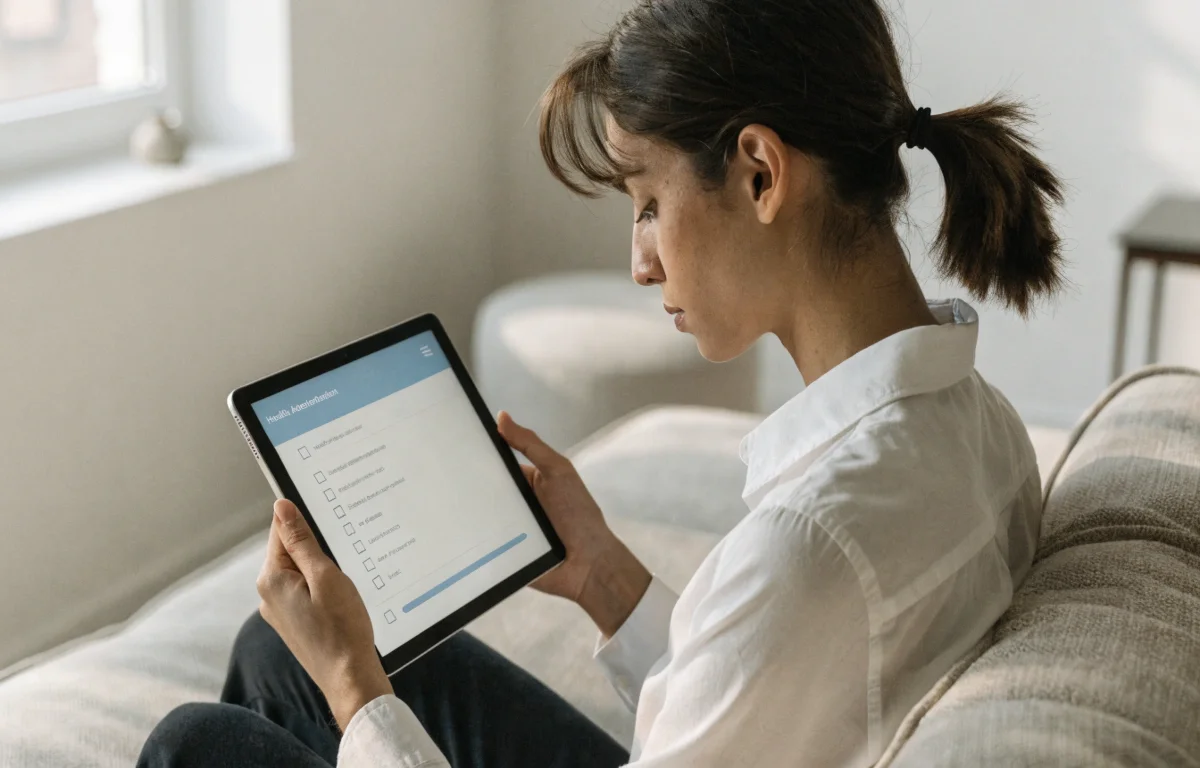
The Future of Health Care Admin Is Faster Support With Less Paperwork
Health care should help people feel better, not bury them in forms.
Yet for many patients, the admin side of care can feel harder than the care itself. You need to book the visit, wait for a slot, fill out forms, explain the same issue more than once, ask for records, and then pass those records to work, school, or another office.
That process can feel even worse when the health issue is simple.
A sore throat. A fever. A stomach bug. A flare up that makes it hard to work. In these moments, people do not always need a long visit or a stack of paper. They need clear support, quick next steps, and simple proof when their job or school asks for it.
This is why digital health tools are changing the way people handle basic care tasks. For example, someone who needs a doctors excuse can now use an online option instead of spending extra time in a waiting room just to get simple documentation. That kind of support does not replace serious care, but it can make routine health admin much less stressful.
Why Health Care Admin Feels So Heavy
Most people do not think about health care admin until they are stuck dealing with it.
You may need a form for work. You may need a note for school. You may need proof of a visit. You may need to send a record to another provider. You may need to check what your plan covers. None of these tasks sound hard on their own.
But they pile up fast.
The problem is that many health systems still depend on slow steps. Phone calls. Paper forms. Manual reviews. Long wait times. Different portals that do not connect well. Patients often become the middle person between the doctor, employer, school, and insurance provider.
That is a lot to manage, especially when you are sick.
The future of health care admin should be simple. A person should be able to get care, receive clear records, and share what they need without chasing papers or making several calls.
Digital Tools Make Small Tasks Easier
Not every health care need requires a full office visit.
Some issues still need in person care, tests, or urgent support. But many basic admin tasks can move online. That includes intake forms, appointment booking, symptom reviews, records requests, and basic health notes.
When these tasks are digital, patients save time. They can fill out forms at home. They can check their details before sending them. They can receive documents in a format that is easier to store and share.
This also helps clinics and care teams.
Instead of spending as much time on repeat phone calls or paper files, staff can focus on the patients who need more hands on support. A simple digital process can reduce back and forth and make the whole visit smoother.
The goal is not to remove people from health care. The goal is to remove friction.
Faster Support Matters When People Are Sick
When someone wakes up sick before work, they usually have a few things on their mind.
They want to know if they should rest. They may need to tell their manager. They may need to check company policy. They may need proof if the absence lasts more than a day.
That is a lot to handle while feeling unwell.
Fast support can make a big difference. A clear online process gives people a way to take care of the admin side without waiting until they feel worse. It also helps them avoid delays that can create stress with their employer or school.
This is especially helpful for remote workers, shift workers, parents, and people with tight schedules.
A better admin system respects the fact that illness does not always happen at a convenient time. People need support that fits real life.
Less Paperwork Can Improve Trust
Paperwork does not just slow things down. It can also create confusion.
When patients do not know what form they need, who should fill it out, or where it should go, they may feel lost. When employers or schools get unclear documents, they may ask more questions. That creates more work for everyone.
A cleaner digital process can make each step clearer.
Patients know what to submit. Providers know what to review. Employers and schools get documentation that is easier to read. Everyone spends less time guessing.
Trust improves when the process feels clear.
People are more likely to follow the right steps when those steps are easy to understand. They are also more likely to seek care early when they know the admin side will not become a headache.
Health Care Admin Should Fit Modern Work
Work has changed.
Many people work from home. Some work flexible hours. Some work across time zones. Others work gig jobs or part time roles. But many workplace health policies still feel built for an older way of working.
That gap can cause problems.
A person may be too sick to work but not sick enough to visit an office in person. They may need documentation, but the local clinic may not have a same day slot. They may not have time to sit on hold or wait for a paper form.
Digital admin tools can help close that gap.
They give workers a more practical way to handle basic health needs. They also give employers a clearer path for sick leave records. Instead of asking workers to jump through extra hoops, companies can build policies that accept secure digital documentation when it makes sense.
That is better for both sides.
What Patients Should Still Keep in Mind
Digital health admin is useful, but it should be used the right way.
Patients should still seek urgent care for serious symptoms. Chest pain, trouble breathing, severe pain, signs of infection, or sudden changes in health should not be handled as a simple admin task.
Online tools work best for routine needs.
They can help with simple documentation, basic care guidance, and easier record access. They can also help patients avoid delays for issues that do not need a full clinic visit.
The key is balance.
Good digital health care should make simple tasks easier while still guiding people to in person care when they need it.
How Employers Can Support Better Sick Leave Processes
Employers also have a role to play.
A sick leave process should be clear before someone gets sick. Workers should know when they need to report an absence, who to contact, and whether they need documentation.
If the policy is vague, people get stressed.
A better policy uses plain language. It tells workers what counts as acceptable proof. It explains when a note is required. It avoids asking for private medical details that are not needed.
Employers can also accept secure digital records when appropriate.
This helps workers handle illness with less stress, and it helps managers keep better records. It also reduces the chance of confusion between the employee and the company.
The Future Is Simple, Secure, and Patient Friendly
The best health care admin systems will not feel like admin at all.
They will feel like a smooth part of care.
You book the visit. You share your details. You get help. You receive the document or next step you need. You move on with your day.
That is what patients want.
They do not want more portals, more forms, or more delays. They want health care support that is easy to use and easy to understand.
Digital tools can help make that happen, but only when they are built around the patient. Speed is helpful, but clarity matters too. Access is helpful, but privacy matters too. Convenience is helpful, but care quality still matters most.
Final Thoughts
Health care admin has been too slow for too long.
Patients should not need to fight paperwork just to rest, recover, or prove that they were sick. Clinics should not need to spend valuable time on tasks that better systems can simplify. Employers should not need confusing processes that create more questions than answers.
The future of health care admin is not about cutting corners.
It is about making simple tasks simple.
Less paperwork. Faster support. Clearer records. Better access.
That is the kind of health care experience people need now.